When I started All Nation Restoration here in Austin, Texas, I was just 18 years old. Like many young entrepreneurs, I had reasonable expectations but nothing extravagant. I didn’t start out dreaming of a full-scale company. My desire was simple: self-employment. Freedom. The chance to carve out a living on my own terms.
What I didn’t expect was that, slowly but surely, our reputation, attention to detail, and relentless work ethic would begin to compound. About five or six years in, it hit me: we weren’t just a self-employment gig anymore we were a real business. Clients sought us out. Our name carried weight. The machine was running, and it had grown far beyond just me.
And that’s when things got weird.
When you’re a small business owner, there’s always this quiet fantasy floating in the background: Maybe someone will come along and buy this thing I built. I never gave it much thought early on, but as we grew, that fantasy started knocking louder. Calls started coming in. Private equity firms, competitors in other states, brokers working on behalf of M&A deals—all suddenly interested in our little operation in Austin.
That’s when the shift happened in my mind. Maybe this thing really is worth something to someone besides me. What I didn’t see coming was how that realization would mess with my ability to make decisions.
Before, I’d make bold calls without flinching hiring a controller, committing to a commercial lease, investing in new equipment, hiring a marketing team. But once I started wondering, “What if this scares off a buyer?”, decision-making became murky. Would a prospective buyer hate that I signed a five-year lease? Would they have preferred a different marketing strategy? Would they think my equipment purchases were shortsighted?
I got stuck in analysis mode. I wasn’t just weighing right versus wrong—I was speculating about imaginary boardroom opinions. I slowed down. I hesitated. And in small business, hesitation is expensive.
Over time, I worked through the noise and saw things more clearly.
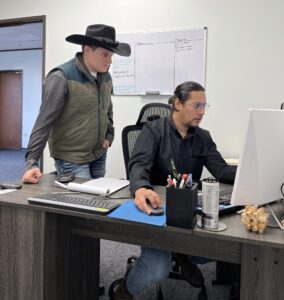
Those people calling about your business? They’re calling because of the decisions you’ve already made. The gutsy, scrappy, imperfect-but-effective decisions that turned your garage operation into something with value. They’re not paying for a hypothetical they’re paying for proof. Your proof of concept.
And here’s the deeper truth I’ve come to realize: what’s more dangerous than a bad decision is no decision at all. Indecision kills momentum. It drains confidence. It invites doubt.
You don’t need to know whether a future buyer would agree with your current move. They’re not in the trenches. They weren’t there when you had to take out a loan or take a chance. You were. You are. And that’s why you’re still in business.
I used to wonder: why would someone with millions of dollars buy a business like mine instead of just starting their own version from scratch? The answer is deceptively simple and incredibly affirming: they’re buying the decisions. The millions of decisions, the thousands of moments of risk and judgment, the trust built with customers, the systems refined through trial and error.
They’re not just buying trucks and invoices, they’re buying the legacy of a business that made it through the hardest years.
If you’re in that weird middle stage no longer small, not quite corporate—and you’re getting those calls, congratulations. You’ve built something worth noticing. But don’t let those prospects paralyze your judgment. Make the best decisions you can today, with the same fire and grit that got you here.
And whatever you do…keep going.
Stay Strong, Stay Focused, Stay in Business